
Watch the Journey Unfold:
📸 Instagram | 🎥 TikTok | 🎬 YouTube
A hand shot into the air and clenched into a fist. The guide kept his eyes fixed ahead. A second later, he crouched and waved his arm frantically at those still moving behind him. We stopped, switched off our headlamps, and let the whispers die.
Slipping out of his sandals without breaking stride, he crept forward with a torch in one hand and a cigarette in the other. The embers cast a faint glow across his shirtless torso, revealing as much definition in his abdomen as in the ribs along his back.
Suddenly, he froze. A flashlight shifted into the canopy and something felt amiss. Confused and uneasy, none of us knew what to do.
The light’s beam swept through the foliage until something glimmered among the leaves.
There it was, a slow loris. No more than ten inches long, it crept at the pace of a sloth and stared back through the bulging eyes of a lemur. None of us had ever seen anything quite like it.
The group hurried toward the trunk, phones in hand, then gathered carefully around it for a better look. I stood there for a moment and gave him a congratulatory pat on the back as he took a well-earned drag.
I wasn’t supposed to be deep in the Bornean jungle that night. I was meant to be more than 2,000 kilometers away in the Taiwanese tea mountains of Alishan. But a Category 5-equivalent super typhoon had other ideas. So a same-day, one-way flight to somewhere I’d never heard of became my best option.
With an unusual amount of freedom and some advice from a couple I met in the street, I took another flight, caught a taxi, clambered into an unmarked van, and boarded a small metal shell disguised as a boat for an hour-long trip up the river.
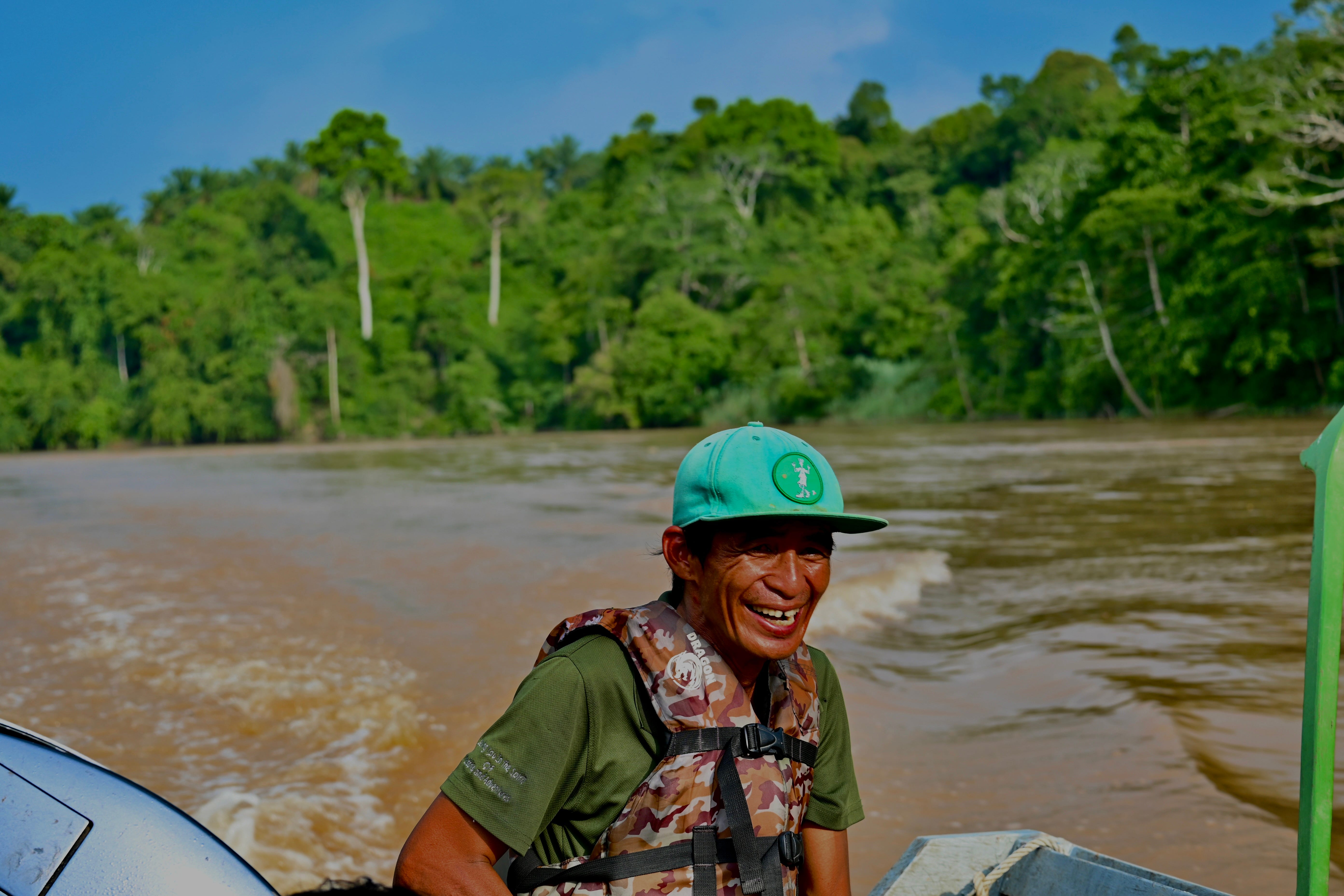
Waiting for me at the end was a backpacker’s paradise. Uncle Tan’s Wildlife Camp occupied a small sliver of private land nestled among the trees, serving as a gateway to the Kinabatangan Wildlife Sanctuary, a 26,000-hectare tropical haven nourished by the coffee-colored river winding through it.
Tan’s place was unique. For more than thirty years it has offered budget travelers—even those on a true shoestring—the same chance to see wild orangutans, pygmy elephants, hornbills, and proboscis monkeys as the high-end resorts further downstream.
Guests were expected to exchange most comforts for the privilege. A half-broken boardwalk meandered through the swamp before depositing visitors at one of many open-air concrete sleeping structures. Each building contained six thin mattresses laid out on the ground. Above, a cracked beam suspended mosquito nets that narrowed around each like a spotlight.
None of it mattered. We were there for the jungle, and it was difficult to imagine getting any closer.
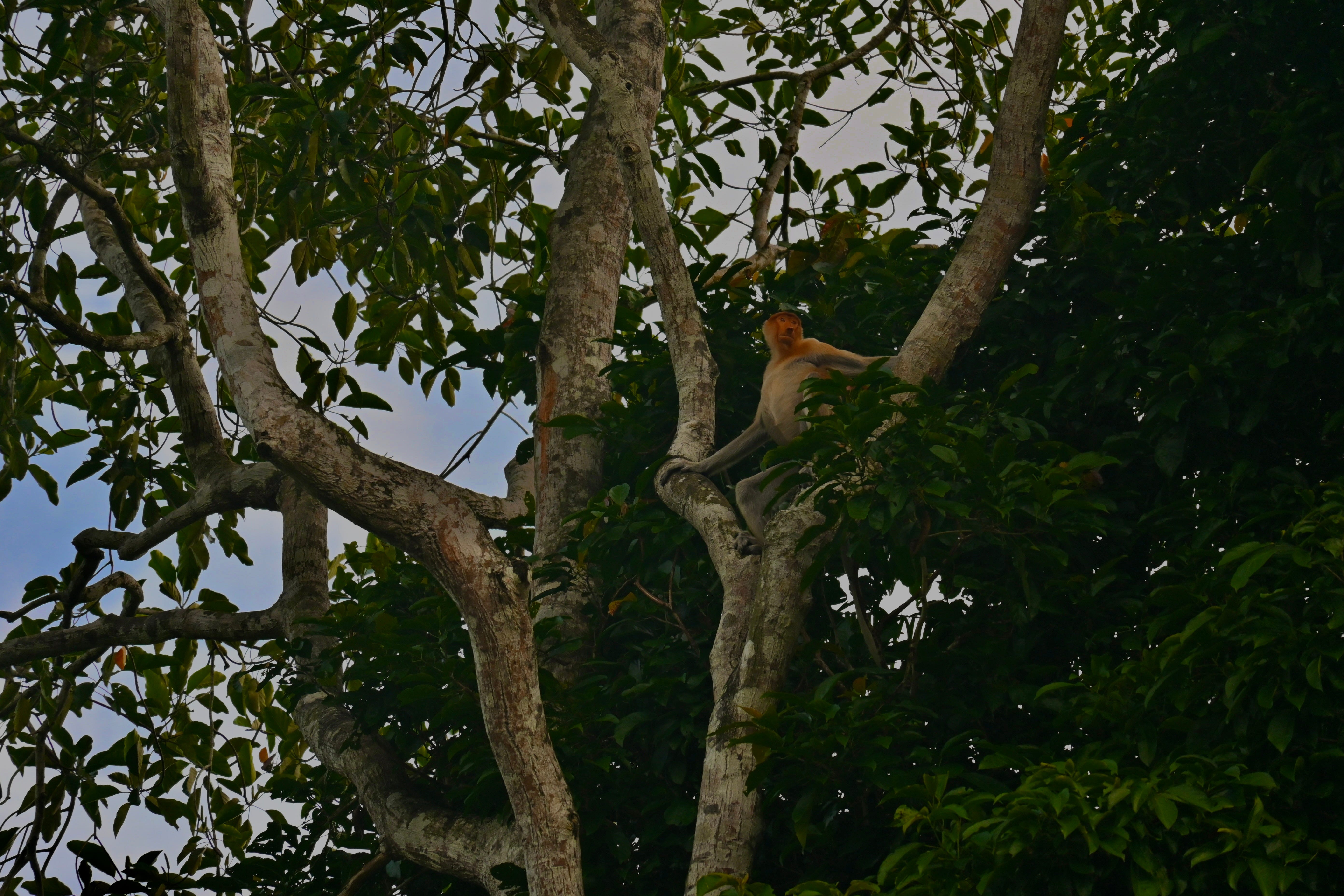
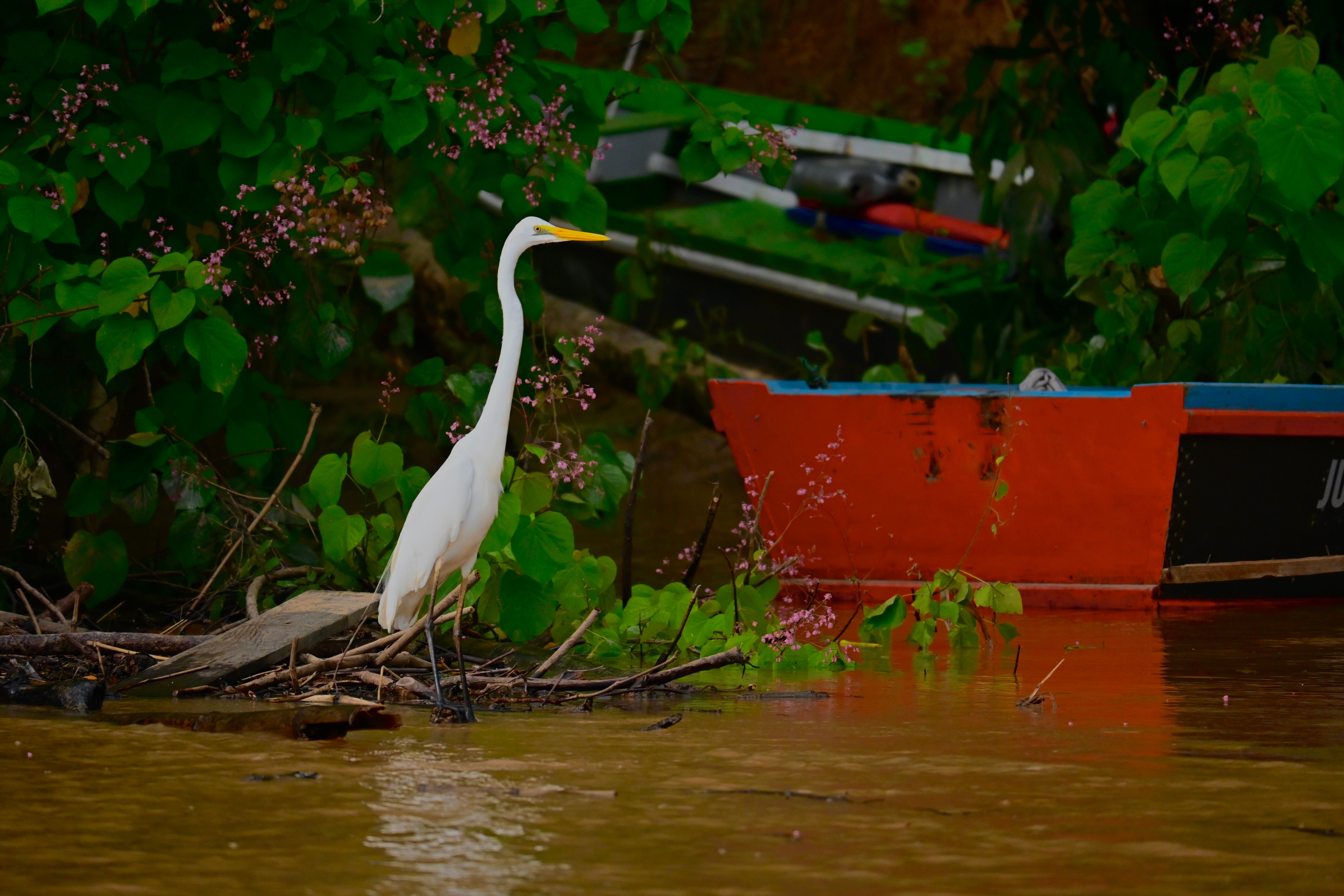
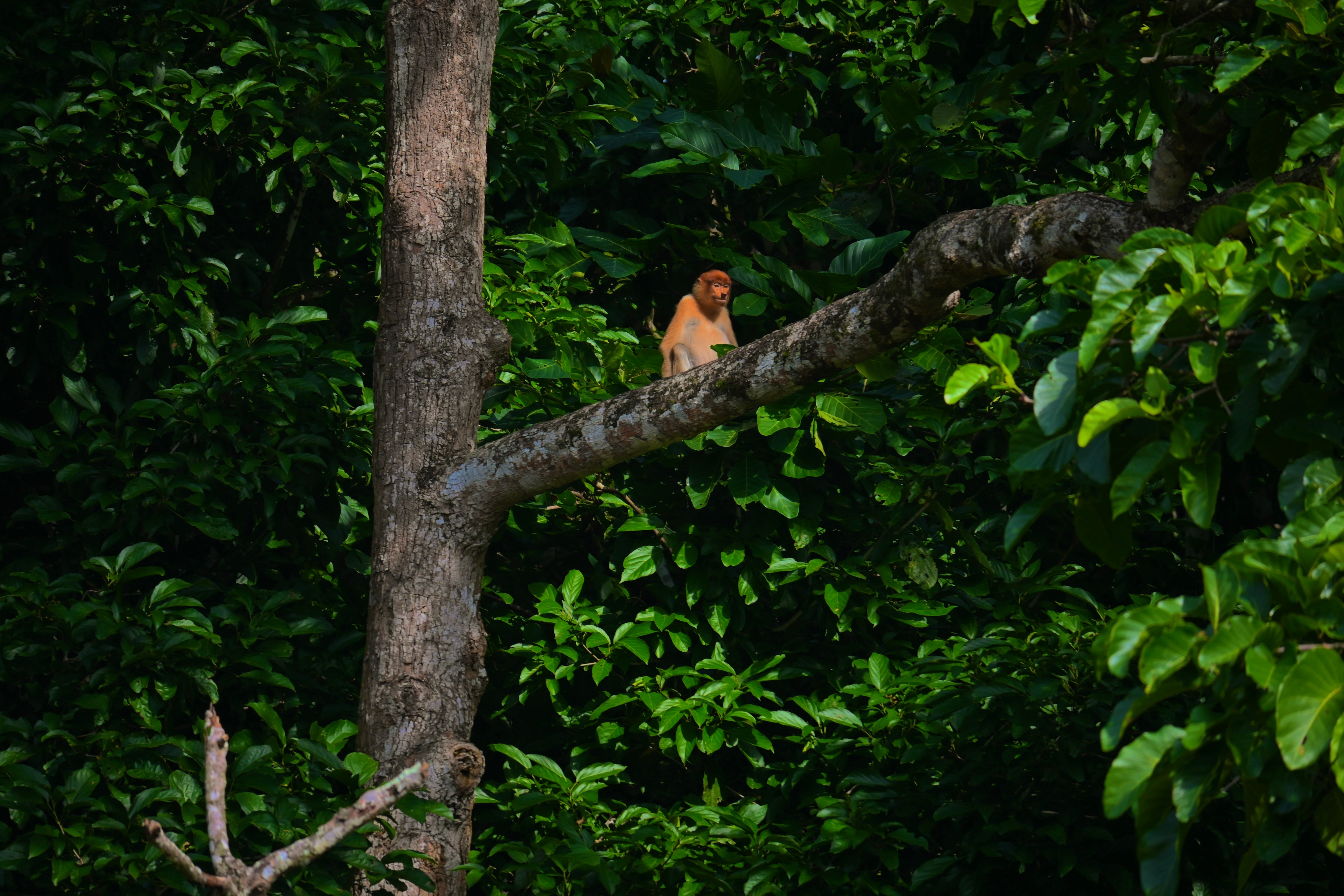
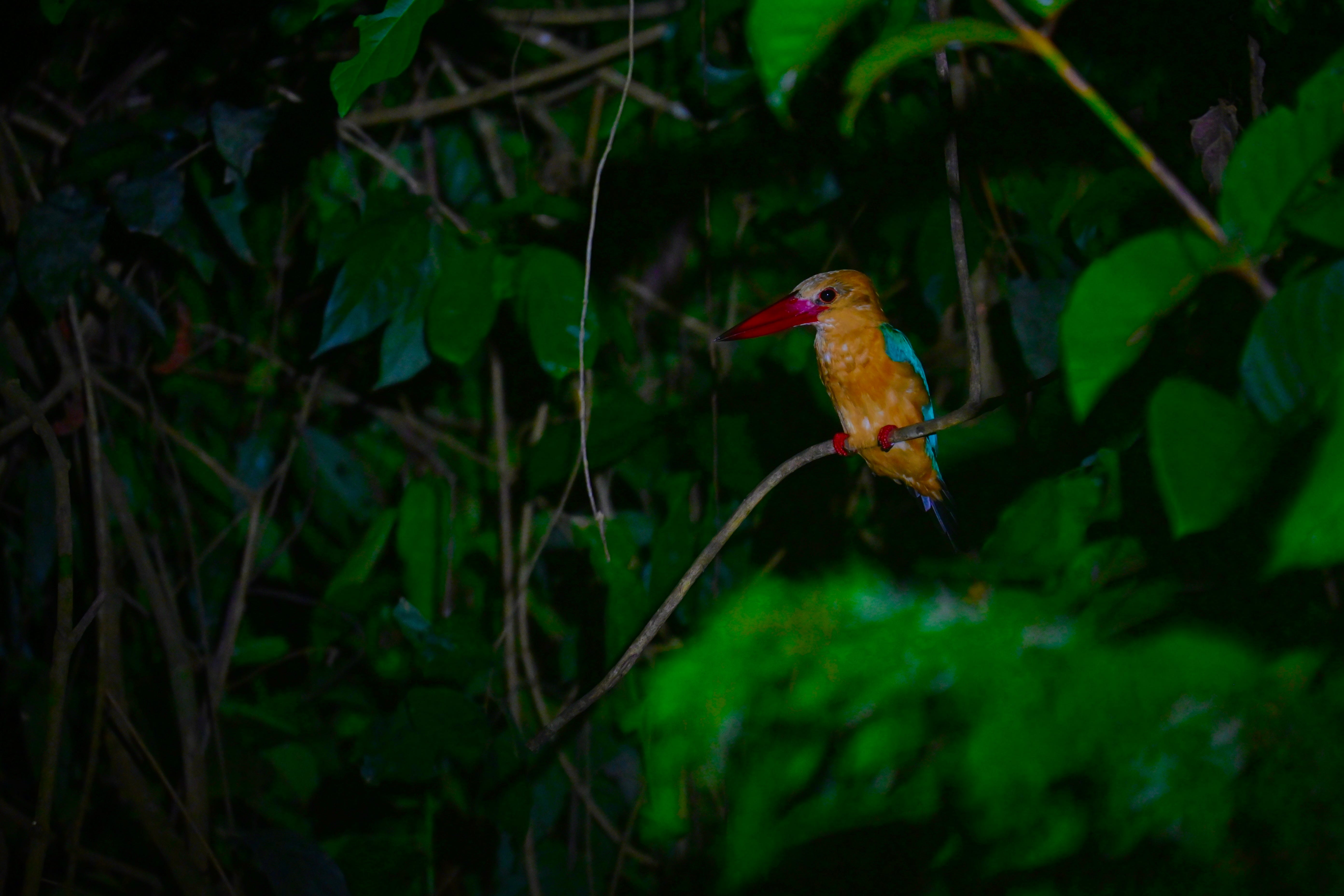
Our days were spent on foot or in a small boat, searching for birds, primates, and reptiles that looked as though they came from another dimension.
First I met the New Zealander who had been priced out of her own country and moved to Bangkok to make a living as a painter. She now exported artwork about her Māori roots back to the place she could no longer afford to call home. Then there was the tall Frenchman, who seemed to own nothing but football jerseys and never mentioned that he barely spoke English, allowing us to piece it together after several days of unanswered questions.
Finally, there were the men who made it all possible. The guides came from Indigenous Kadazan-Dusun and Orang Sungai communities along the river. Several were the first members of their families to live outside villages their ancestors had inhabited for generations, geographic isolation having afforded a degree of autonomy through successive sultanates, British colonial rule, Japanese occupation, and the formation of Malaysia.
Lan was the leader of this place and that weekend was a special one: his wife and two sons were by his side. Together, they cooked, cleaned, prepared the boats, and guided guests without running water or an electrical grid. They did not own the place, but you would never have known it from the way they cared for it.
Each day, they led our mismatched group into the wilderness. The narrow boat, propelled by a single forty-horsepower outboard, stalled constantly. The guides would lean over the engine together, dismantling it until the problem was rooted out. Lan and the crew knew every bird by its call and every monkey by its smell. They could spot a primate in a tree a quarter-mile away.
They were not passing through the jungle as we were. Their knowledge had been formed inside it.
Admittedly, I was having the time of my life. Unable to connect to the internet, I quickly slipped back into my feral ways, thriving in the elements, shoes be damned. Yet beneath the excitement, I was still disappointed. Taiwan has long been one of my favorite places to visit and my glimpse into the tea world had been cut short.
The detour changed the way I approached the days ahead. If I could not continue following tea itself, I could at least look more closely at the forces shaping landscapes and the people who depend on them.
Borneo is home to one of the largest expanses of tropical rainforest on Earth, but what remains is under pressure. For decades, forests were logged for Bornean ironwood, one of the world’s most durable timbers. Restrictions eventually curtailed the ironwood trade, but oil-palm plantations have since spread across the island. From the air, land was dominated by uniform rows of oil palms, planted to supply all the Nutella, shampoo, and cosmetics the world could desire.
So no, I did not find any tea in the Bornean jungle.
In fact, I was glad I didn’t. Tea did not belong there, not as another commodity crop serving consumers thousands of miles away.
Around 10:30 on our last night, the day’s work was finally done. Lan, Boi, En, and the whole group settled in for a beer and a few cigarettes in the open-air living room.
Our long day had been longer still for the men who had been awake since five that morning making it possible. They put on their favorites, “Hey There Delilah” and “Piano Man,” and, fueled by beer and exhaustion, serenaded us from their seats.
Lan sat across from me, his two boys fighting to keep their eyes open, the younger tucked beneath his arm.
“So much has changed. Thirty years I have been here.”
“I wanted to be a soldier, but my parents wouldn’t allow it, so I came to Tan’s instead.”
“The big resorts, they see what I do. They send people down here in suits, right to my work.” His voice tightened.
“You know I was offered jobs for three times as much.” Now he leaned forward, waving three fingers back and forth. “They come here and say, ‘Lan, we can give you more.’”
“But what they do not understand is I cannot leave the jungle. I cannot go and run a hotel and say 'Oh yes, I'm still close.' I would not be."
“This place, this place is…”
“This jungle is your ancestor,” the Māori woman offered, finishing the thought for him.
“Yes,” Lan said, sinking back into his chair. “Yes, it is.”
He looked down at his sons and smiled.
For him, this rainforest was not scenery, employment, or even home in the ordinary sense. It was an inheritance.
Like many of the people I had met along The Tea Trail, heritage was not something preserved behind glass or read about in textbooks. It was something lived and maintained through daily presence. Much is passed down, plenty is adapted, and some is created along the way. But that continued presence was itself a vote: proof that these places and practices still mattered.
As the child of a nation of immigrants, I had been taught to admire the audacity required to leave and build something new. But we speak far less about the courage required to remain.
Too often, we are taught to optimize rather than sustain.
The Blang families of Jingmai worked to retain their ancient tea forests. Chan monks returned to Wuyi to rebuild a centuries-old monastery. Sixth-generation farmers in Shizuoka turned down men who arrived with briefcases of cash. Taipei’s remaining tea merchants kept aging factories together with tape, grit, and an unwillingness to walk away.
Each had chosen, in one form or another, to stay, return, or reinvent.
I did not know whether I could make the same choice. But Lan forced me to turn the question inward:
Do I have something worth staying for?
Sources
Malaysia Biodiversity Information System (MyBIS). Lower Kinabatangan Wildlife Sanctuary/Reserve. Sabah Wildlife Department.
Sometimes it’s not the plans that make the journey but the pivots. A great story but sounds like an even greater experience.